
Harvard UniversityEnvironment International, 2025
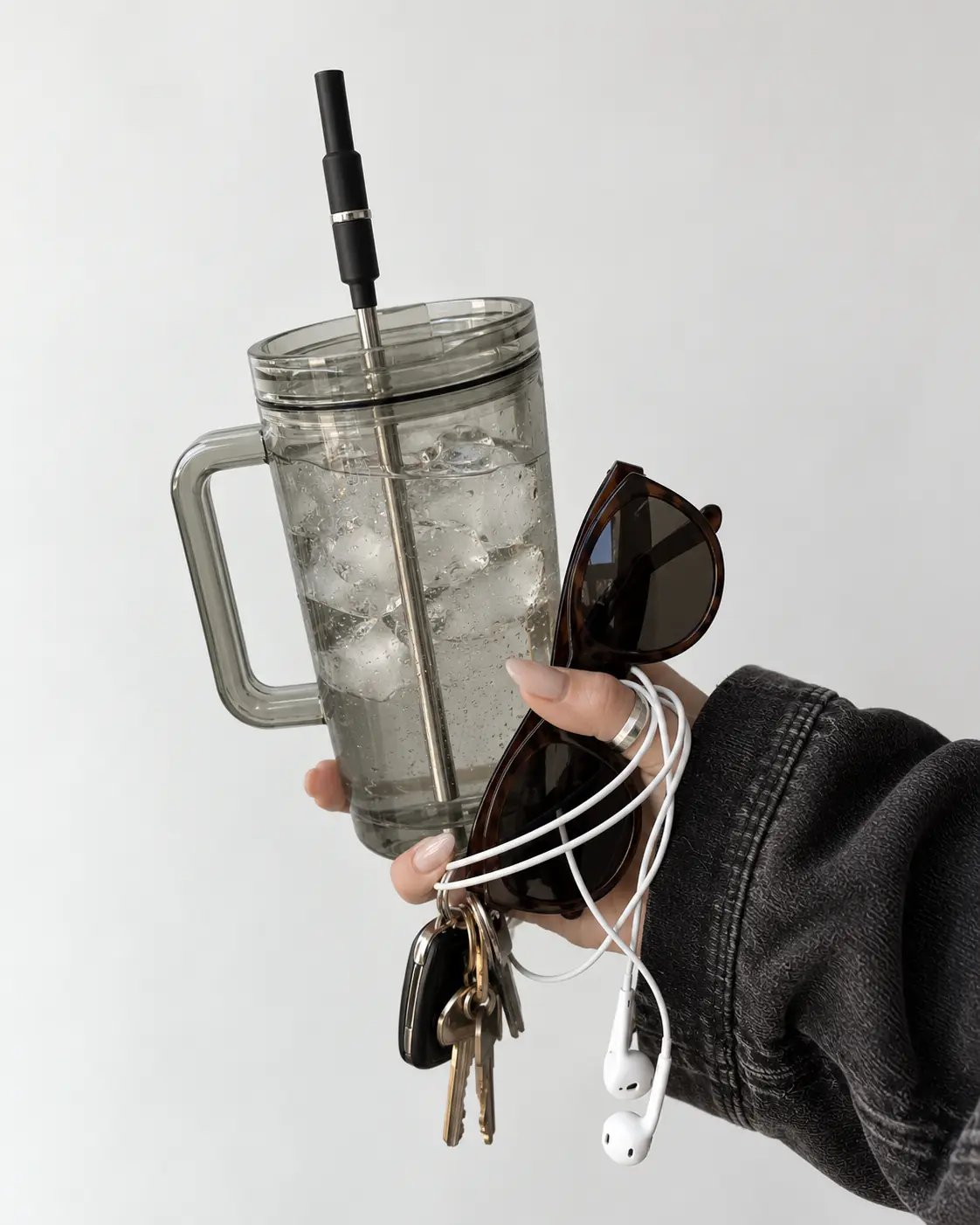
Same bottle.
Better water.
The Aelo Straw fits the bottle you already love and removes up to 90% of the microplastics you never asked for.
October only: free stuff for you and your friends.
Join free. Invite 5 friends and get $10 Aelo Cash. Invite more, get more: free filters, a free Aelo Straw Kit and more. No purchase needed.
The Big Problem
Don’t just take our word for it.
Researchers keep finding plastic inside people: in brains, artery plaque, blood, semen, testicles and placentas.
Published in The New England Journal of Medicine, Nature Medicine, PNAS and more.

Columbia UniversityPNAS, 2024
240,000 plastic particles in a liter of bottled water, on average.

Mayo ClinicJournal of Xenobiotics, 2026
28 of 29 adults tested had plastic particles in their blood.


Memorial Sloan Kettering & Weill CornellImmunity, 2026
Fertility collapsed in male mice fed microplastics, and their sperm counts fell.

Duke UniversityScience Advances, 2023
3 of 10 mice injected with nanoplastics alone, directly into the brain, developed Parkinson’s-linked protein clumps.

Rutgers UniversityNanomaterials, 2023
24 hours after pregnant rats were fed nanoplastics, the particles were in their unborn pups’ brains and hearts.

University of New MexicoNature Medicine, 2025
100% of human brain samples tested had plastic in them.

University of Campania, ItalyThe New England Journal of Medicine, 2024
58% of surgery patients had microplastics in their artery plaque.

Fudan University, ShanghaieBioMedicine, 2024
100% of men tested at fertility clinics in China had plastic in their semen.
University of New MexicoToxicological Sciences, 2024
100% of human testicles tested had plastic in them.

University of LouisvilleEcotoxicology and Environmental Safety, 2022
3 of 4 groups of mice drinking microplastics gained extra weight within 3 weeks.
Our Solution
The Aelo Straw meets you wherever you are.
The Aelo Straw is a portable filter straw for the bottles, tumblers and cups you already love. It removes up to 90% of the microplastics from your drinking water as you sip. Take it wherever your day takes you.
Your last barrier, built into a straw.
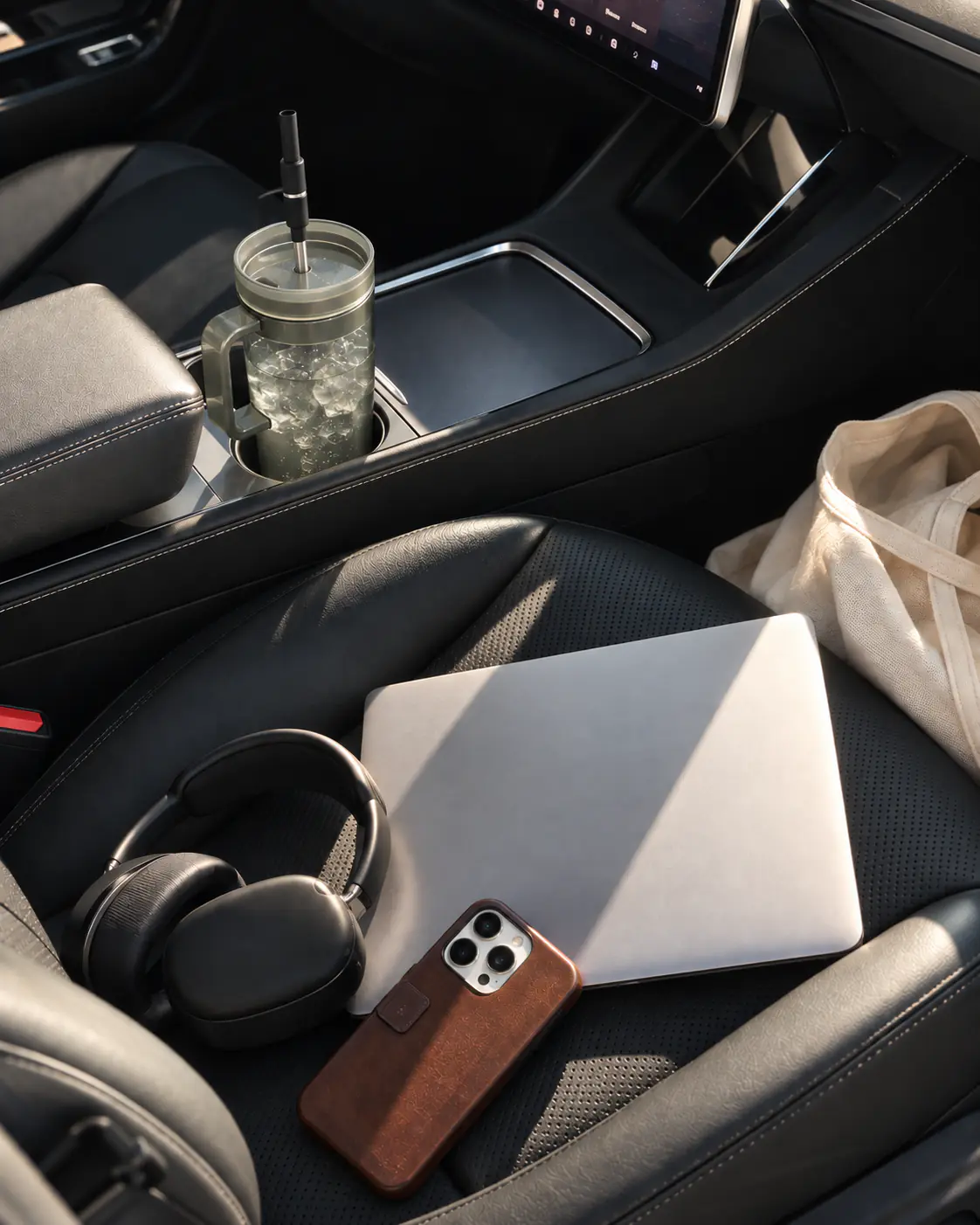
Your tumbler on the commute.

The bottle you bought at the airport.

Your glass while you work.
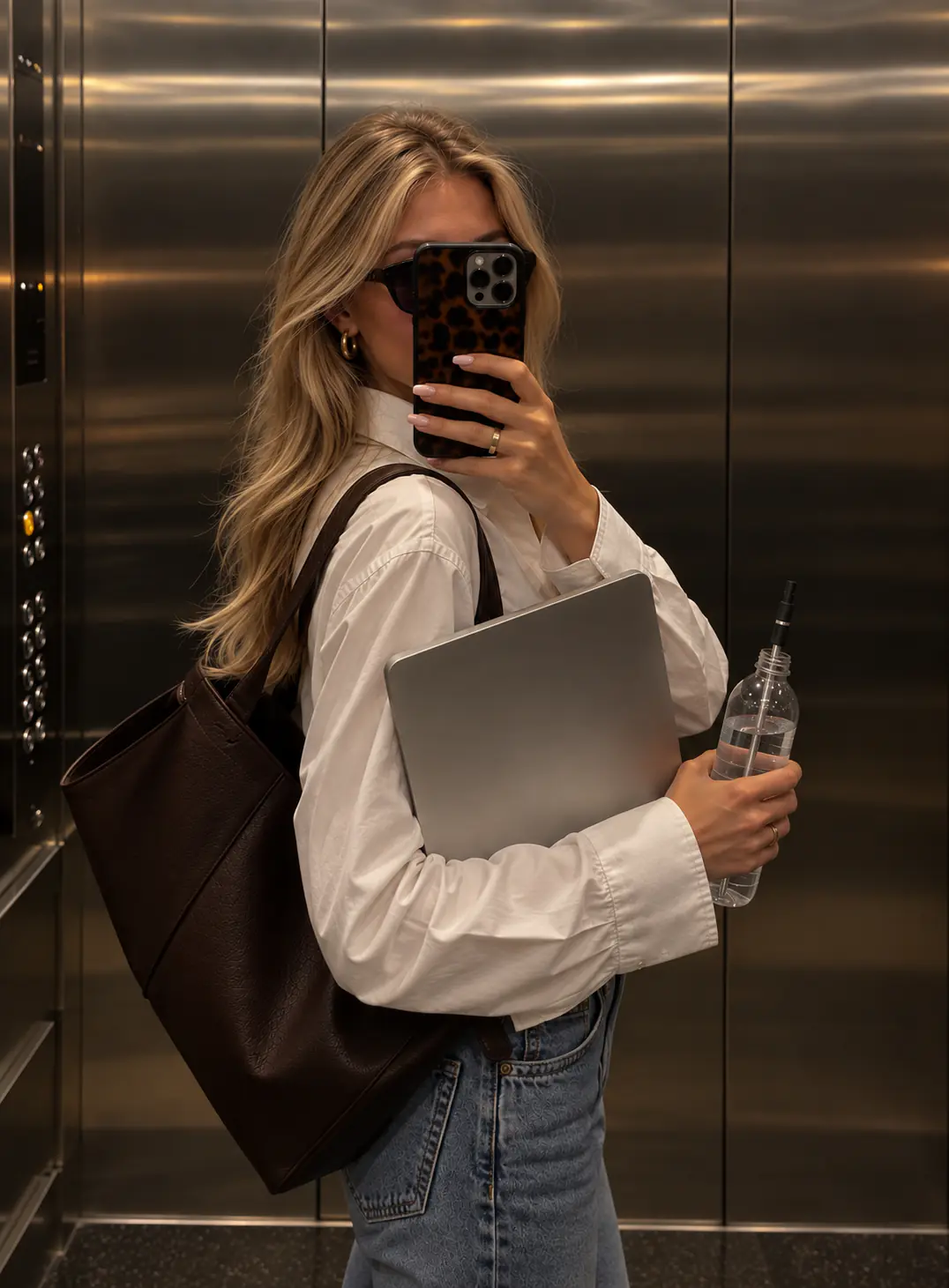
Your bottle on the go.
Our Results
Up to 90% of microplastics removed.
Lab-tested on particles down to 0.5 microns (500 nanometers).
Read the report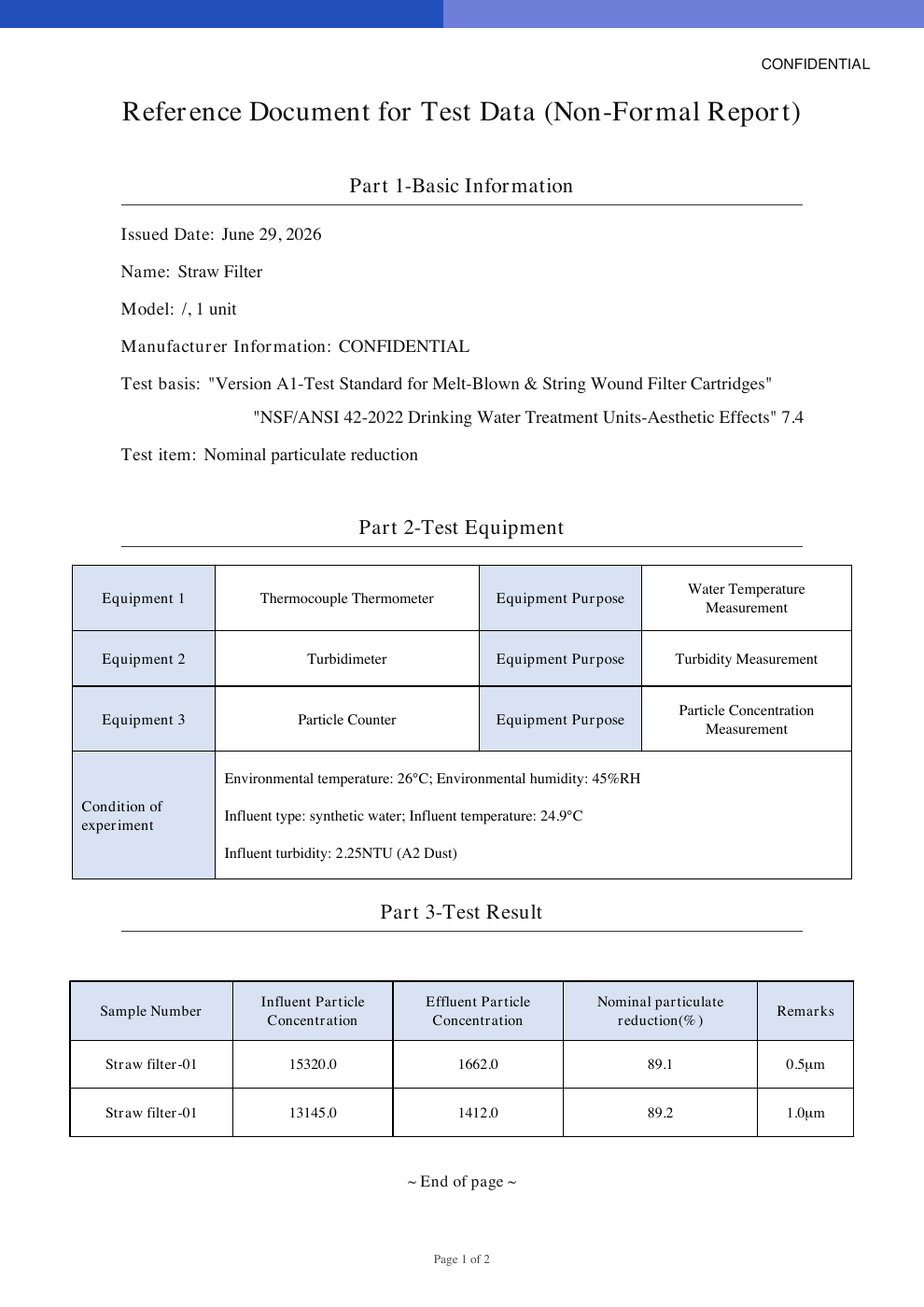
Invite friends. Get free stuff.
The more friends you invite, the more free stuff you get.
October only. Every friend who joins through your invite link and confirms their email counts. Rewards stack, so the value climbs with every step, up to $225. No purchase needed. Get your free invite link below.
00 Start here
Welcome to Aelo.
Join free and confirm your email. Your free invite link is ready to share right away.
Get my free invite link05 Confirmed friends
$10
Aelo Cash.
Five confirmed friends join through your link. You get $10 Aelo Cash, credited to your account.
Free $10 value
10 Confirmed friends
3 months of better water,
yours.
Three replacement filters, three months of better water in your routine. Your $10 Aelo Cash stays in your package.
Free $45 value
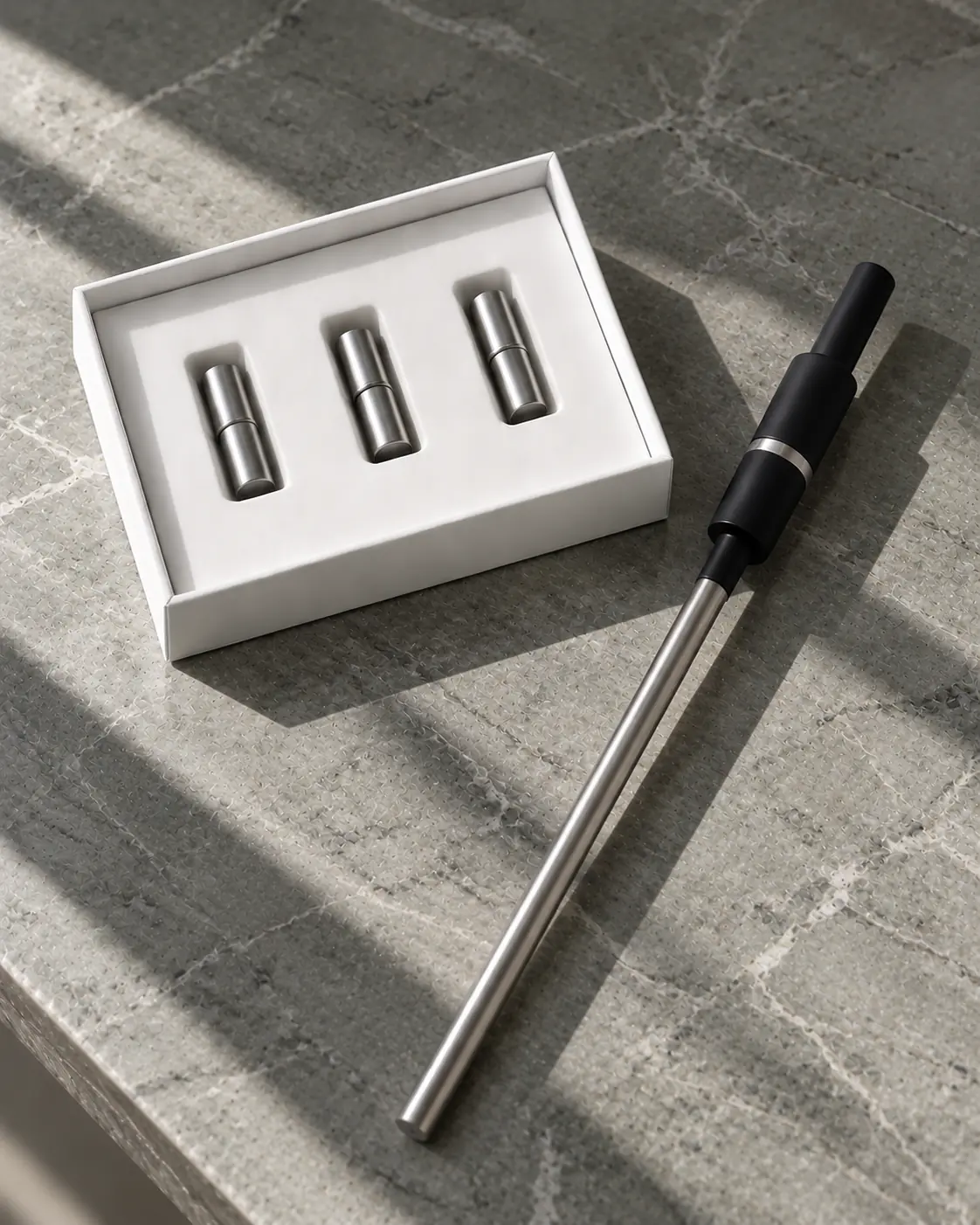
25 Confirmed friends
Aelo Straw
Kit.
Includes the Aelo Straw, a stainless steel telescoping straw and one 30-day filter. Your $10 Aelo Cash and filters stay in your package.
Free $125 value
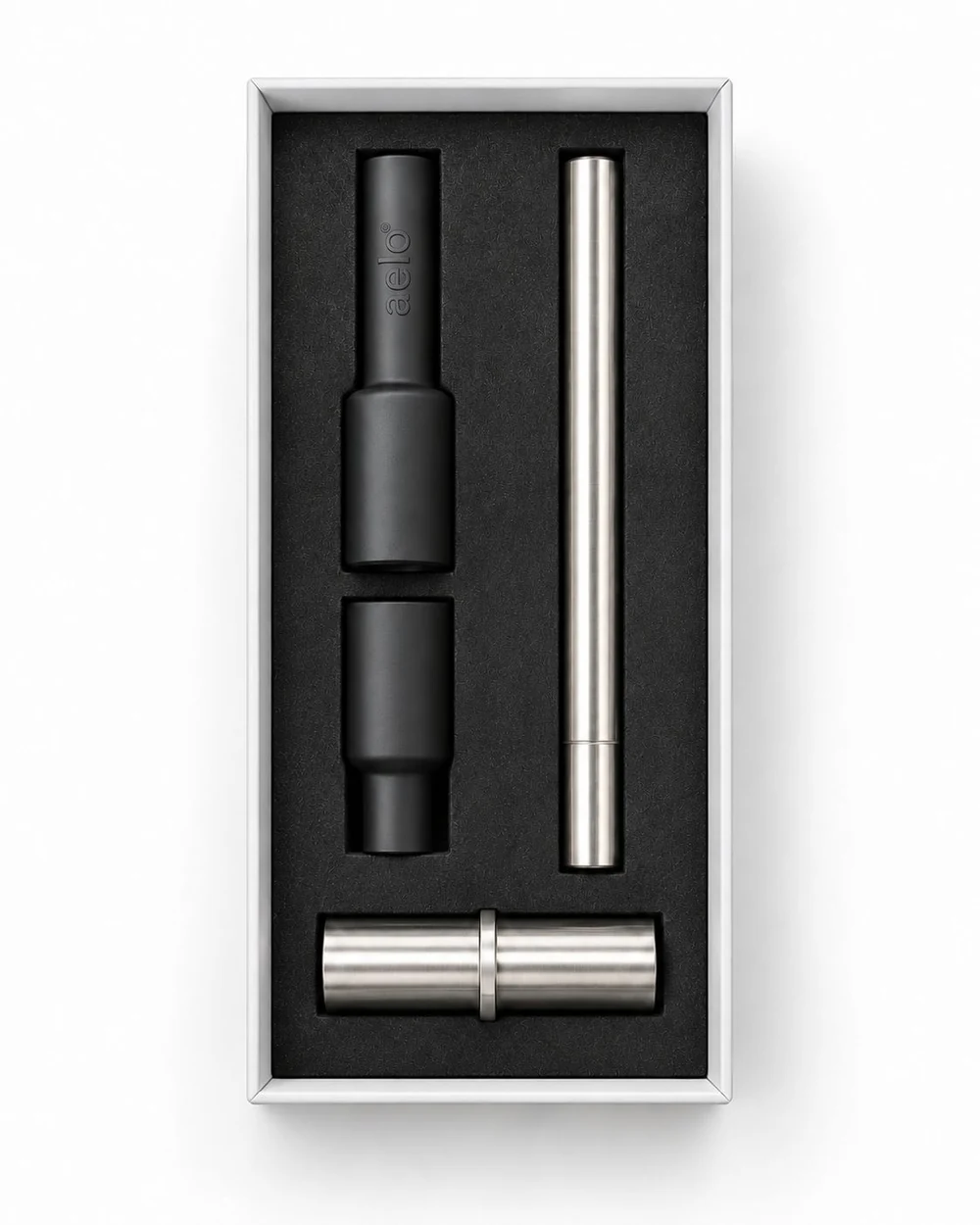
50 Confirmed friends
Ambassador
Status.
Receive a limited edition Aelo Ambassador tumbler and a thank-you card signed by one of our co-founders. Everything before it stays in your package.
Free $225 value
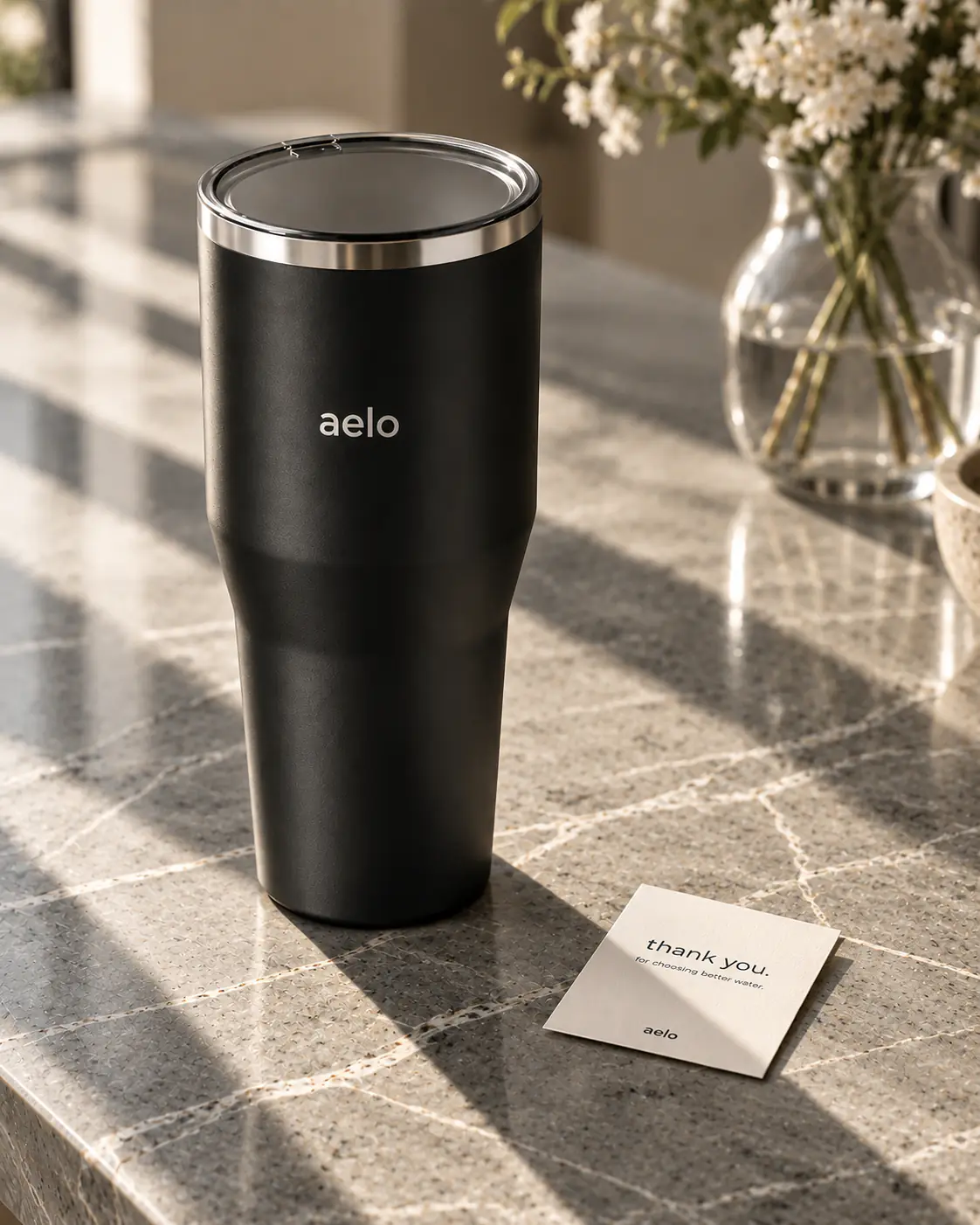
And then, something extraordinary.
1,000 Confirmed friends
Personal Co-founder Delivery
One of our co-founders will hand-deliver your gift package to your doorstep. A personal thank you for an extraordinary milestone.
Priceless
In-person delivery or an agreed travel alternative. See terms
Why do we exist?
Aelo was born from a simple realization: the people creating the plastic problem are not always the people willing to solve it.
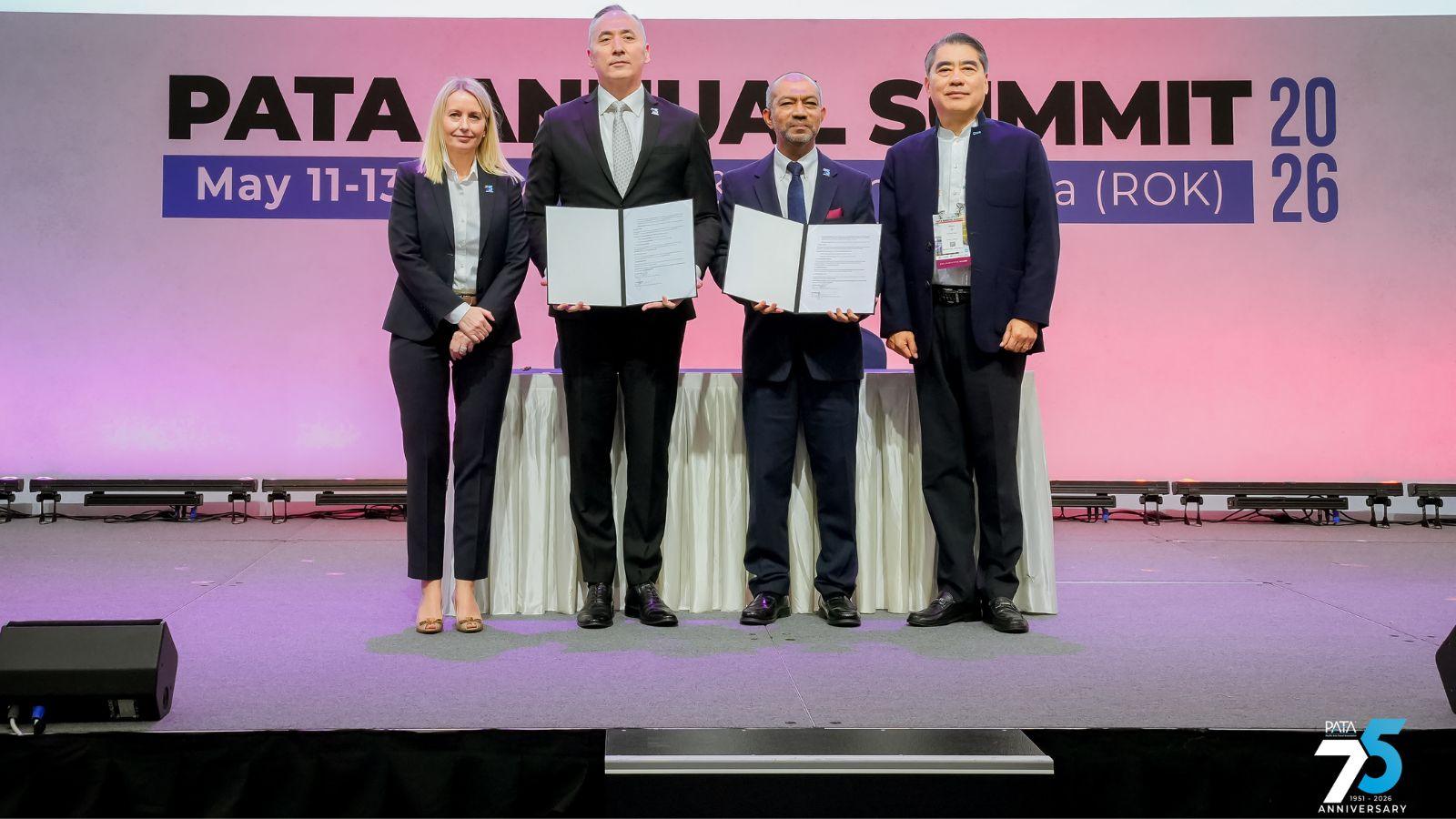
For Robert Brown, the co-founder of Aelo, water has always been personal. His grandfather, Kenneth Brown, spent a lifetime in water research and co-founded Brown and Caldwell, a company dedicated to solving some of the world’s most important water and environmental challenges. That legacy shaped the way Robert saw water – not as a commodity, but as something worth protecting.
Read the Full StoryShow less
Years later, as CEO inside a multi-billion-dollar global conglomerate, Robert saw the problem from the inside. In six years there he learned how hard it is to get a large organization to take seriously what’s in its own bottles. Plastic was cheap, convenient and deeply embedded in the beverage industry, and as the health concerns around microplastics became harder to ignore, the system kept choosing plastic, and nobody was fixing the water.
That frustration became the beginning of Aelo.
Robert realized that if big beverage companies wouldn’t move fast enough to protect people from the plastic in their water, then the next best solution was to give people a way to protect themselves.
Aelo makes personal filtration: the Aelo Straw, a multi-patented filter straw that fits the tumbler, glass or bottle you already use and removes up to 90% of the microplastics from every sip. It was built for people who don’t want to wait for corporations, governments or supply chains to fix the problem for them.
The company carries a different name, but Kenneth Brown’s way of working runs through it. Water reaches you at the end of a long chain: the plant, the bottler, the store. Kenneth spent his life at the front of that chain. Robert is now building the last step.
Our mission is to finish the job the industry wouldn’t: a filter at the point of sip, in the bottle you already buy, taking out most of the microplastics before they reach you.
Aelo exists because the bottle wasn’t going to change. So we changed what’s in it.
Same bottle. Better water.
That’s the promise we make to you, every day.
FAQ
The straw
What does the Aelo Straw do for me?
The Aelo Straw removes up to 90% of microplastics from your drinking water as you sip.
How do I know the Aelo filter works?
The Aelo Straw removes up to 90% of microplastics. Read the full report below.
How long does it take to get started?
Not long at all. Setup takes less than a minute. The Aelo Straw filters water as you sip. No jug to fill. No waiting.
How hard is it to use the Aelo Straw?
Not hard at all. Use it like your usual straw. The filter sits inside, so you can keep your everyday routine.
Does it work for nanoplastics?
The Aelo Straw removes up to 90% of microplastics, down to 0.5 micrometers (500 nanometers). Smaller nanoplastics are harder to measure and require specialized equipment.
Our focus is a practical step: filtering microplastics from the water you drink, with particle-test results you can inspect. If you want that extra filtration step without changing your routine, Aelo is built for you.
Is the straw difficult to drink through?
Your first one or two sips take a little extra effort while the filter primes. After that, it’s easy. We guarantee the Aelo Straw is easier to drink through than any other filter straw on the market.
Does the filter work for any beverage?
No. Aelo filters are designed for water. They are intentionally effective, so they can also capture flavor compounds, sugars, syrups, oils, and other ingredients that make drinks taste the way they do. Using Aelo with coffee, juice, soda, sports drinks, or flavored beverages can change the taste and shorten the life of the filter.
Why do I need Aelo if my water is already filtered?
“Filtered” can mean different things. Microplastic removal depends on the filter design, the size of the particles and how the filter is maintained. A 2023 study of three household filter devices found that performance varied, with membrane-equipped devices performing better than the carbon-and-ion-exchange-only device tested.
Aelo is designed to add a final filtration step as you drink, wherever you fill up. If your existing filter is already tested for microplastic removal, any additional benefit depends on what remains in your water.
What materials are your products made with?
The filter cartridge is stainless steel, with hollow carbon fiber filter media inside. The Aelo Straw is food-grade silicone, and the telescoping straw is stainless steel.
What if I do not use straws but still want to filter microplastics out of my drinking water?
The straw is just the beginning. We’re developing more ways to filter your drinking water. Join the pre-launch waitlist to hear about future Aelo products and be among the first to know when they’re announced.
How does used-filter recycling work?
We have partnered with a recycling facility that can destroy used filter media and the microplastics captured within it. Once per quarter, you’ll send your used cartridges to our California facility for processing.
Our closed-loop return program is designed to collect what your filters capture and send it for destruction. The goal is to remove captured microplastics from circulation, rather than return them to the environment. We’ll share return instructions before the program begins.
Microplastics & research
What are microplastics?
Microplastics are plastic particles smaller than five millimeters. Some are made that small; others break off larger plastic items as they wear down. They’re in our water, food and environment—and researchers have reported them inside human bodies, including the brain, heart tissue, liver, placentas, testes and even newborns’ first stools. Even smaller plastic particles are called nanoplastics.
Research into what these particles do to human health is growing rapidly. Aelo Research follows the findings and explains them in plain English.
Why should I care about microplastics?
The findings reach far beyond plastic pollution. Scientists are reporting warning signs involving heart health, body fat, fertility, hormones, memory and hair loss:
- Heart health: an Italian study linked plastic particles in artery plaque with a higher risk of heart attack, stroke or death.
- Weight gain: mice given polystyrene microplastics in drinking water gained more weight and body fat.
- Fertility: human studies have found plastic in testes and semen, with some exposures linked to poorer sperm quality.
- Hormones and memory: experiments in mice have found lower testosterone and impaired learning and memory.
- Hair loss: a mouse study reported hair-follicle damage and hair loss after polystyrene microplastic exposure.
These are findings worth paying attention to. The evidence includes human associations and controlled animal experiments; researchers are still establishing which effects occur in people at everyday exposure levels.
Where does the 15,709% come from?
From PubMed, the research database run by the U.S. National Library of Medicine. We counted papers whose title or abstract mentions microplastics and either humans or health, by the year they were published: 11 papers in 2015 and 1,739 in 2025, a 15,709% increase in the last decade.
We retrieved these counts on September 24, 2026. PubMed keeps adding papers as they are indexed, so the same search today can show a slightly higher count. The exact search is “microplastics[tiab] AND (human[tiab] OR health[tiab])”, counted by publication year.
Do microplastics make humans fat?
Mice drinking water containing polystyrene microplastics gained more weight and accumulated more body fat than the comparison group in a 2024 study. The mice were eating a standard chow diet. Researchers described the particles as obesogenic—meaning they promoted weight gain and fat accumulation in that experiment.
Animal studies help researchers test cause and effect and investigate biological processes that humans share, including how we store fat. They provide important early evidence, but the exposure and results do not translate directly to people. Human studies have not yet established that microplastics cause obesity.
Do microplastics affect fertility?
Researchers found microplastics in all 23 human testicle samples examined in a 2024 study. A separate study recruited 113 men attending fertility clinics and successfully measured microplastics in semen and urine from 100. More plastic types were associated with lower sperm concentration; the study did not establish cause.
Researchers are also studying female fertility. A 2025 study found microplastics in the fluid surrounding developing eggs in 14 of 18 women undergoing fertility treatment, although it found no link with fertilization outcomes, miscarriage or live birth. In another study of 51 couples undergoing IVF, higher levels of certain nanoplastics in that fluid were associated with lower fertilization rates, but not with embryo implantation or clinical pregnancy.
These findings put plastic exposure directly into the conversation about reproductive health. Animal experiments have also found damage to sperm and reproductive tissues. The human studies show concerning associations; they do not yet establish that microplastics cause infertility.
Do microplastics lower testosterone?
In lab mice, yes. Male mice that drank water with plastic particles in it for 180 days had lower testosterone than mice on clean water, along with poorer sperm quality.
No published study has measured microplastics and testosterone in men yet. The closest human evidence is semen: plastic turned up in 100 of 100 samples from men tested at fertility clinics in China, and men carrying more kinds of plastic were more likely to have a low sperm count. That is a link, not proof that the plastic caused it.
Are microplastics bad for the human heart?
In a 2024 Italian study, patients with microplastics or nanoplastics in their neck-artery plaque had about 4.5 times the adjusted risk of a heart attack, stroke or death from any cause over nearly three years, compared with patients without detectable particles in their plaque.
The study followed 257 people after surgery for narrowed carotid arteries. It is a serious warning sign for heart health. Because it was observational, it establishes a link rather than proving the particles caused those events.
What does research say about microplastics in the brain?
Experiments in mice have found that polystyrene microplastic exposure impaired learning and memory. Human research has also reported tiny plastic particles in brain tissue: a 2025 study found substantially higher concentrations in samples from people diagnosed with dementia than in samples from people without that diagnosis.
The combination makes brain health a pressing area of research. The human study does not establish that plastic caused dementia; the disease itself may make particles harder to clear. Researchers are working to understand how these particles reach the brain and what they do once they get there.
Can microplastics affect hormones?
Yes—in animal experiments, microplastic exposure has disrupted hormones. In one study, mice given polystyrene microplastics in their drinking water for 180 days had lower testosterone and lower levels of two hormones that help control reproduction, alongside poorer sperm quality.
Hormones regulate everything from growth to reproduction, so these findings matter. They show a biological effect under the conditions tested; the size of any effect from everyday human exposure is still being studied.
Can microplastics harm children?
Babies can be exposed from something as ordinary as a feeding bottle. A 2020 laboratory study reported particle release from polypropylene baby bottles during formula preparation. In a later reassessment, the same team reported substantially lower counts after distinguishing plastic from additives. The measured amount depends on the method and conditions.
These experiments measured particles released into water, not illness in babies. They do not establish that the tested bottles harmed children. Follow current health guidance for preparing formula and sterilizing bottles.
Pre-launch & rewards
What is the pre-launch?
It’s your chance to join Aelo before we open. Get your personal invitation link, invite friends and get Aelo products as rewards. Joining is free. Join the waitlist and confirm your email to get started. This is a waitlist and invitation program; you are not placing a pre-order.
The waitlist is open worldwide to adults 18+. Rewards are available to eligible participants in the 50 U.S. states and Washington, D.C.
When does the pre-launch close?
The pre-launch closes on October 31, 2026, at 11:59 p.m. ET, and Aelo launches November 1. The countdown at the top of this page shows the time remaining.
When does the invite program close?
Friends need to join through your invitation link by October 31, 2026, at 11:59 p.m. ET. They then have until November 1, 2026, at 11:59 p.m. ET to confirm their email for the invitation to count. Final counts are done within 72 hours, and you’ll receive an email confirming your rewards.
What is the invitation rewards ladder?
Join Aelo and confirm your email to get your personal invitation link. Share it with friends. When a new eligible friend joins through your link and confirms their email, you receive referral credit. The more confirmed friends you invite, the more rewards you get.
What do I get for inviting my friends to join Aelo?
Your confirmed invitations get you these rewards. They stack, so the value climbs:
- 5 friends$10 Aelo Cash, credited to your account. $10 value.
- 10 friendsThree replacement filters—a three-month supply. Your package is now a $45 value.
- 25 friendsThe Aelo Straw Kit. Your package is now a $125 value.
- 50 friendsA limited-edition Ambassador tumbler and a thank-you card signed by one of our co-founders. Your package is now a $225 value.
- 1,000 friendsPersonal Co-founder Delivery, subject to the program terms. Priceless.
When does an invitation count towards my reward ladder?
An invitation counts when a new, eligible friend joins through your personal invitation link and confirms their own email before the confirmation deadline.
- Duplicate or disposable email addresses and self-referrals do not count.
- Fabricated signups and proven abuse do not earn referral credit.
- Pending or disputed referrals may be reviewed and corrected. Sharing a household or network alone does not invalidate a referral.
Can my household have multiple accounts?
Yes. Different people in the same household can each have an account, and we can ship their rewards to the same address. Each person should use and confirm their own email address and meet the program’s eligibility requirements. Multiple accounts for the same person do not earn additional referral credit.
We open soon.
October only: free stuff for you and your friends. Join free. Invite 5 friends and get $10 Aelo Cash.
By joining, you confirm you’re 18+, accept our terms, and agree to receive Aelo research, product updates and referral progress emails. Unsubscribe anytime.
A friend counts once they join through your link and confirm their email. Rewards follow final review.
Waitlist: worldwide, ages 18+. Rewards: eligible U.S. participants in the 50 states and DC. Terms & rewards